AutoMod Simulation Software for Smarter Operations
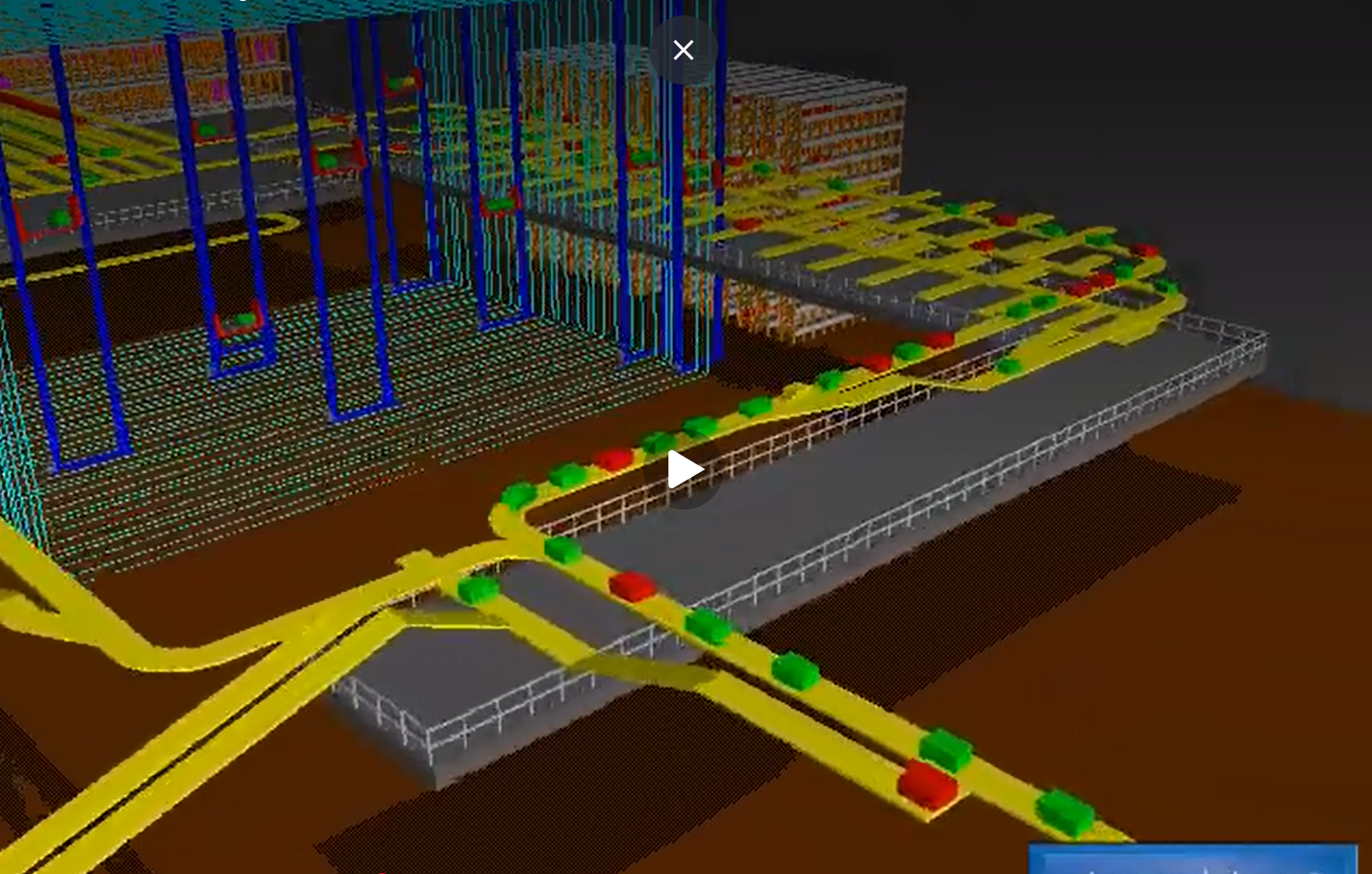
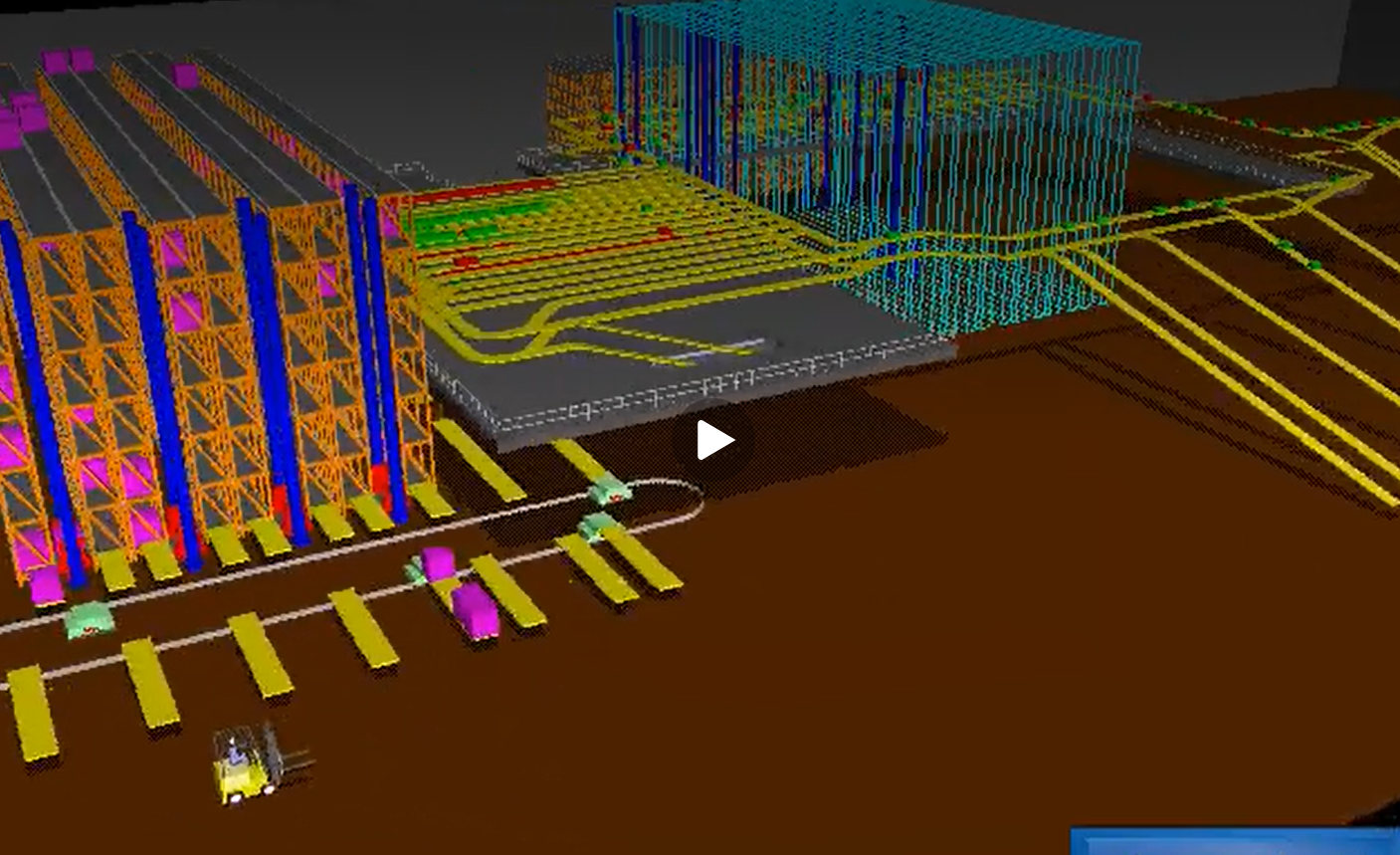
AutoMod simulation software enables engineering and operations teams to test and optimize complex systems in a virtual environment before making real-world changes. PMC has utilized AutoMod for decades to facilitate the needs of its customers. By creating accurate, dynamic models of production lines, material flow, and resources, AutoMod helps you compare scenarios, identify bottlenecks, and validate design decisions with confidence. Reduce risk, shorten commissioning, optimize time, and support better use of capital to achieve higher throughput, more reliable schedules, and measurable cost savings.
Applied Materials has announced it will discontinue AutoMod, with all sales and support ending after December 31, 2026. If your operations rely on AutoMod, now is the time to plan a long-term AutoMod alternative or replacement. PMC’s simulation experts can help you assess your existing models and define a clear, low-risk path to modern AutoMod replacement solutions that keep your business moving forward.
We highly recommend finding a new suitable alternative before AutoMod support ends
Contact our simulation experts as soon as possible to evaluate your current simulation needs to find the right solution for you
Benefits of AutoMod Simulation Software
- Reduce risk before you invest – Test layout changes, new equipment, or process ideas in a virtual model so you can make decisions with data, not assumptions.
- Identify and remove bottlenecks – See where queues build, resources conflict, or throughput drops, and evaluate fixes before you touch the real operation.
- Improve throughput and service levels – Compare scenarios side by side to find the combination of staffing, scheduling, and routing that delivers higher output and on-time performance.
- Optimize capital and operating costs – Validate that you are sizing equipment, buffers, and labor correctly, avoiding overbuilding as well as costly undercapacity.
- Shorten commissioning and ramp-up – Use validated models to guide implementation, reducing surprises during go-live and stabilizing performance faster.
- Align stakeholders on one view of the system – Give engineering, operations, and leadership a shared, visual model that clarifies trade-offs and supports faster consensus.
- Support continuous improvement – Keep the model as a living asset to test “what-if” ideas over time and sustain performance gains as conditions change.